FYI from Decanter
http://www.decanter.com/wine-news/frost-rot-and-mildew-cause-champagne-shor…
Follow the link for far prettier formatting...
Champagne shortage looms after frost, rot and mildew
Caroline Henry August 9, 2016
163
shares
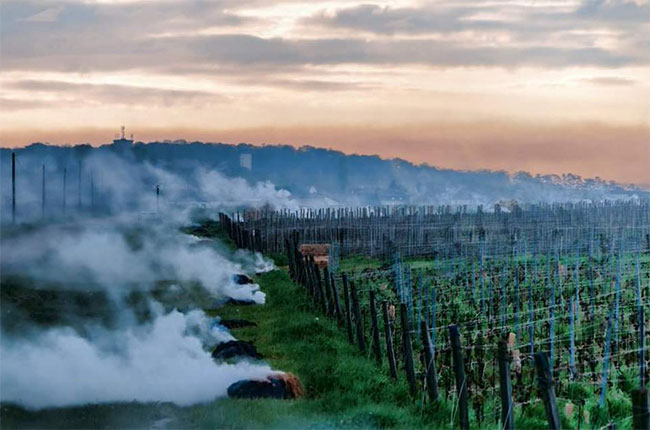
Bad weather, rot and mildew in Champagne all mean that 2016 has been one of
the lowest yielding Champagne seasons since the 1980s.
image:
http://keyassets.timeincuk.net/inspirewp/live/wp-content/uploads/sites/34/2…
Champagne shortage
TAGS:News Home
Champagne shortage
The growing season is the most complicated Champagne has known since the
very difficult season of 1956, said Eric Rodez, winemaker at the
family-owned Champagne Rodez in Ambonnay.
In spring, late frosts hit the Côte des Bar region, where a quarter of the
Champagne vineyards are.
Jean Pierre Fleury, winemaker at Champagne Fleury in Courteron told
Decanter.com the frost at bud break caused him to lose 70% of his potential
harvest.
Champagne alternative: Top UK sparkling wines
The Aube was once again hit by hailstorms later in the season, and then by
the mildew epidemic sweeping through Champagne.
Olivier Horiot, a grower and vigneron at Les Riceys, estimates the
sub-region’s yield will be averaging around 2,500 to 3,000 kg/ hectare,
well below the 10,700 kg/ hectares the CIVC decided on in July.
Grower Champagne: 10 estates to know
Yields are set in function of sales forecast, as well as the actual crop
potential in the vines, and in difficult years they are supplemented by the
Individual Reserves held by growers and houses.
Charles Philipponnat, General Manager at Champagne Philipponnat, said that
to meet the 2016 yields, growers and houses will have to dig heavily in
their reserves.
‘We estimate that our average yield in the Marne is closer to 8,000 to
8,500 kg per hectare, which is in-line with the official estimates of 7,200
kg/hectare for the whole Champagne region.’
Rot damage
Mildew and grey rot have also been causing more damage.
image:
https://keyassets.timeincuk.net/inspirewp/live/wp-content/uploads/sites/34/…
Champagne shortage
Grey rot in Champagne. Image: Caroline Henry
Grey rot was first observed at the end of July but spread very quickly with
65% of the vineyards showing minor grey rot outbreaks.
Magister, an agronomic agency which monitors a large selection of growers
and houses vineyards, confirmed that 99% of the vineyards monitored had
mildew symptoms.
34% of the vineyards had more than 10% loss in yield due to mildew, and in
4% of the vineyards more than half the crop has been affected.
Edited by Ellie Douglas.
View This Infographic To Find Out How Patient Data Has Evolved Over The
Years And How You Can Stay Ahead
Getting a clear, comprehensive patient record can be challenging. This
infographic from CDW and Intel showcases how patient data has evolved over
the years.
Ad by CDW and Intel
Related stories:
image:
http://keyassets.timeincuk.net/inspirewp/live/wp-content/uploads/sites/34/2…
<< More weather related supply restrictions. >>
Burgundy frost
Burgundy hit by ‘worst frost since 1981’
Worst frost in 30 years may hit 2016 harvest.
image:
http://keyassets.timeincuk.net/inspirewp/live/wp-content/uploads/sites/34/2…
Hail stones in Domaine Gonon vineyards, mâcaonnais
Heavy hailstorm hits Mâconnais vineyards in Burgundy
Hailstorm in Mâconnais, Burgundy, damages 100% of first buds in some places
Spring hail also hits Cahors in south-west France…
image:
http://keyassets.timeincuk.net/inspirewp/live/wp-content/uploads/sites/34/2…
Vineyards in Chablis, Burgundy
Chablis prices to rise as weather hits 2016 vintage
A major shortfall looms in Chablis, says expert...
Read more at
http://www.decanter.com/wine-news/frost-rot-and-mildew-cause-champagne-shor…
--
James Ellingson cell 651 645 0753
Great Lakes Brewing News, 5219 Elliot Ave, Mpls, MN 55417
James(a)BrewingNews.com BeerGovernor(a)gmail.com
FYI on this steamy day. Essential info pasted below but the formatting is
blech - so best to follow the link over to Decanter.
Cheers,
Jim
http://www.decanter.com/wine-reviews-tastings/underrated-barolo-crus-five-w…
Lesser-known Barolo crus at a glance
Serralunga d’Alba
Prapò Powerful wines, firm tannins, typical Serralunga terroir.
Margheria More fragrant and less tannic than a typical Serralunga Barolo.
Parafada Classic Serralunga power and structure; built for the long haul.
Meriame Rich black fruit, firm tannins; powerful Serralunga style that ages
well.
Lazzarito Big tannic structure, pepper and tar notes; austere wines
requiring lengthy ageing.
Monforte d’Alba
Ginestra Typical Monforte power and firm tannins along with expressive red
fruit.
Novello
Ravera Elegant, fresh, graceful Barolos in a Burgundian style.
Castiglione Falletto
Villero Minerality and floral notes; delicate red spice; medium to full.
Verduno
Monvigliero Long-lived wines with graceful tannins; floral perfume with
notes of red cherry and strawberry.
Barolo
Bricco delle Viole Floral with elegant tannins and bright fruit; peak at 20
years.
La Morra
Conca Wild fruit flavours, distinct balsamic notes; very good acidity;
great longevity
Underrated Barolo crus: Five wines to try
image:
http://keyassets.timeincuk.net/inspirewp/live/wp-content/uploads/sites/34/2…
Castello di Verduno Riserva 2008
Castello di Verduno, Riserva, Barolo 2008
Dried cherry, date and cedar aromas with subtle wood notes...
POINTS 94
image:
http://keyassets.timeincuk.net/inspirewp/live/wp-content/uploads/sites/34/2…
Ceretto Prapò 2010
Ceretto, Prapò Barolo 2010
Red cherry and tar notes, this is youthful, with slightly bitter tannins...
POINTS 93
image:
http://keyassets.timeincuk.net/inspirewp/live/wp-content/uploads/sites/34/2…
Massolino Margheria 2011
Massolino, Margheria Barolo 2011
Red cherry and talcum powder aromas...
POINTS 92
image:
http://keyassets.timeincuk.net/inspirewp/live/wp-content/uploads/sites/34/2…
Elvio Cogno Ravera 2011
Elvio Cogno, Ravera, Barolo 2011
The classic Cogno Ravera Barolo. Medium- to full bodied...
POINTS 91
image:
http://keyassets.timeincuk.net/inspirewp/live/wp-content/uploads/sites/34/2…
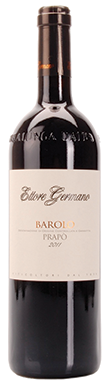
Ettore Germano Prapò 2011
Ettore Germano, Prapò, Barolo 2011
Aromas of currant, tobacco and tar...
POINTS 91
Read more at
http://www.decanter.com/wine-reviews-tastings/underrated-barolo-crus-five-w…
--
James Ellingson cell 651 645 0753
Great Lakes Brewing News, 5219 Elliot Ave, Mpls, MN 55417
James(a)BrewingNews.com BeerGovernor(a)gmail.com
Passing along a note from 3M wine group's Mary G.
Support your local bistro!
---------- Forwarded message ----------
From: Mary Garvin <mlgarvin66(a)gmail.com>
Date: Fri, Jul 8, 2016 at 12:05 PM
Subject: Fwd: Help us stay open
To: <<SNIP>>
---------- Forwarded message ----------
From: Signature Cafe <signaturecafe(a)signaturecafe.fbmta.com>
Date: Wed, Jul 6, 2016 at 3:03 PM
Subject: Help us stay open
To: mlgarvin66(a)gmail.com
We need your help
As some of you know there have been a number of restaurant closings in the
metro area. Many of you love our restaurant and want us to continue in the
way have been going. Unfortunately we had a few slow months that are
normally busy and then we had our normal slow months. So we are asking for
your help.
We do not want a hand out but a hand up. If we could get those of you who
like to dine here on a regular basis to buy a gift card for your future
visit. If you are able to help us in this way you will also join Derek for
a private dinner over the next few months in a small group of less than 6
people. We look forward to hearing from you soon or unfortunately we may
not be able to serve you in the future.
Please consider helping us stay open
Make a Reservation
<http://signaturecafe.fbmta.com/a/0/19351767024/19329754842/default.aspx?_u=…>
Signature Cafe
130 Warwick St. SE
Minneapolis, MN 55414
P: 6123780237
Unsubscribe
<http://signaturecafe.fbmta.com/a/1/19351767024/19329754844/default.aspx?_u=…>
Update Your Profile
<http://signaturecafe.fbmta.com/a/1/19351767024/19329754845/default.aspx?Mem…>
------------------------------
<http://signaturecafe.fbmta.com/a/0/19351767024/19329754846/default.aspx>
This email was sent because you joined our email club while visiting one of
our establishments or through our website. Your email address will not be
shared with anyone. You can take your name out of the email club at any
time by clicking the unsubscribe link in this email and you will be removed
from our list immediately. You joined our list using mlgarvin66(a)gmail.com.
Signature Cafe, 130 Warwick St. SE, Minneapolis, MN 55414
--
James Ellingson cell 651 645 0753
Great Lakes Brewing News, 5219 Elliot Ave, Mpls, MN 55417
James(a)BrewingNews.com BeerGovernor(a)gmail.com
Some thoughts on how to select age-able wines and what to expect from the
time investment.
Cheers,
JIm
http://winefolly.com/tutorial/collecting-age-worthy-wine/
Built to Last: Collecting Age-Worthy Wine
------------------------------
May 27, 2016Blog <http://winefolly.com/blog/> » Wine Tips & Tricks
<http://winefolly.com/category/tutorial/> » Built to Last: Collecting
Age-Worthy Wine
Articles <http://winefolly.com/tag/articles/>, Collecting Wine
<http://winefolly.com/tag/collecting-wine/>, Intermediate
<http://winefolly.com/tag/intermediate/> 1
<http://winefolly.com/tutorial/collecting-age-worthy-wine/#fb-root>
------------------------------
Some things (wine, clothes, people…) improve with age and others do not.
Maybe you have a t-shirt that’s 10 years old that looks better and better
with each wash cycle. Some of us believe that the secret to true success is
to slowly cultivate a life surrounded by classics. It becomes a simple
question: “Will this endure the test of time?” Suddenly, choosing the right
thing becomes much easier and, the best part is, you won’t regret it later.
*So the question is, how does one identify future classics in wine?*
As it happens, most wines (the ~95%) aren’t meant to age, so you’ll
discover that finding an age-worthy wine is a bit more challenging; almost
akin to finding well-made clothes. So…
If most wines only last a couple of years, what makes a wine worthy of
cellaring 10–20 years? Let’s discuss the primary traits of age-worthy wines
and what considerations to make for collecting age-worthy wines.
Wines with Structure
[image: Structure in Wine article by Wine Folly
http://winefolly.com/tutorial/collecting-age-worthy-wine/]
<http://winefolly.com/wp-content/uploads/2016/05/structured-wines.jpg>
Finding wines that will improve over time requires that you pay attention
to a wine’s structure. What is structure? It’s the taste attributes found
in wine that act as natural preservatives:
- Acidity
Wines lose acidity over time, so it’s important that the acidity be
moderately high.
- Polyphenols (Tannin)
The polyphenols in wine stabilize things like color and flavor. Thus,
wines with moderate tannin (from both oak or grape) have a longer runway to
age.
- Sweetness
Sugars have been used as a fruit preservative (jam) for a very long
time. The same ideology behind fruit preserves also applies to dessert
wines and wines with high sweetness levels.
- Alcohol level
Alcohol is one of the primary catalysts that causes wine to break down.
Strangely enough, it also acts as a stabilizer in higher amounts (e.g.
fortified wines and some dry wines with >15%+ ABV). So you either want
lower balanced alcohol levels or high alcohol levels.
- Low Volatile Acidity
Acetic acid is detrimental to age-worthiness in wine. Avoid wines with
VA levels around 0.6 g/L and above.
Balance
[image: Balance in Wine article by Wine Folly
http://winefolly.com/tutorial/collecting-age-worthy-wine/]
<http://winefolly.com/wp-content/uploads/2016/05/balanced-wine-definition.jpg>
After structure, look at balance. Are all the attributes of the wine in
balance with one another? If a wine has tons of tannin, acidity and
moderate alcohol (maybe around 12%–13.5% ABV) but has no fruit then it’s
not really in balance.
Producer
Who made the wine? Before buying, look into the producer’s history.
Ideally, grapes are grown on the producer’s estate and the winery has a
track record of solid winemaking for 15+ vintages. Of course, there are
many well-made age worthy wines made by producers who don’t fit this
profile (and vice versa), so don’t let this alone deter you. The biggest
red flags for producers would be inexperienced winemakers who don’t have a
scientific understanding of enology at the helm. These wines are no problem
upon release but subtle flaws will become exacerbated with age. Another
deterrent would be white label wine brands
<http://winefolly.com/update/white-label-wines-what-wine-buyers-dont-know/>;
these wines are usually made to drink now and will not increase in value.
------------------------------
On Buying Dry Red Wines
[image: How to collect red wines by Wine Folly
http://winefolly.com/tutorial/collecting-age-worthy-wine/ ]
<http://winefolly.com/wp-content/uploads/2016/05/aging-red-wines.jpg>
*As red wines age the polyphenols degrade and the wine fades in color and
becomes more translucent*
Dry reds are the most collected of all wines, not necessarily because they
age the longest, but because it is a delight to drink old dry red wine.
Beyond seeking an ideal basic structure in the wine, you want to make sure
that the wine has ample runway which means moderately high acidity. One way
to pay attention to the acidity is to feel the finish. Wines usually have a
long tingly aftertaste from the acidity paired with residual fruit flavors.
If you feel just the dry astringency of tannin, then the wine might be a
bit out of balance (too much tannin, not enough acidity).
Somewhat over-simplified overview of red wine aging potential:
- Nebbiolo ~20 years
- Aglianico ~20 years
- Cabernet Sauvignon ~10–20 years
- Tempranillo ~10–20 years
- Sangiovese ~7–17 years
- Merlot ~7–17 years
- Syrah ~5–15 years
- Pinot Noir ~10 years (longer for Bourgogne)
- Malbec ~10 years
- Zinfandel ~5 years
On Buying Dry White Wines
[image: How to buy age-worthy collectible white wines by Wine Folly
http://winefolly.com/tutorial/collecting-age-worthy-wine/ ]
<http://winefolly.com/wp-content/uploads/2016/05/aging-white-wines.jpg>
*As white wines age they oxidize and become brown*
White wines have a much shorter timeline for aging. This is because they do
not have the same structural components (tannin) as red wines. Certainly,
there are a few exceptions to this (such as orange wines), but for the most
part, most white wines will be over the hill after 10 years. There are 3
factors to look for with age-worthy dry white wines: acidity, a touch of
phenolic bitterness (see below) and, in some whites, oak tannins. White
wines aged in oak, such as Reserva Rioja Blanco and Chardonnay, have added
polyphenols from the oak. And, since polyphenols help mitigate chemical
reactions that break down wine over time, oaked whites typically have a
longer timeline. Be extra sure that the acidity is high to keep wines from
getting flabby
<http://winefolly.com/tutorial/wine-descriptions-chart-infographic/> with
age.
What is phenolic bitterness? Bitterness in white wines can come from 3
primary places: from a specific aroma compound (it’s called terpenes and
it’s found in aromatic white wines like Riesling), from using slightly
underripe grapes, or from longer skin contact during winemaking. While most
of us detest bitter flavors in white wines, this trait does add enough
polyphenols to create a longer runway on white wines. As long as the wines
aren’t overly bitter and have good acidity, you can expect the wine to age
moderately well.
Somewhat over-simplified overview of white wine aging potential:
- White Rioja ~10–15 years
- Chardonnay ~10 years (longer for Bourgogne)
- Trebbiano ~8 years
- Garganega ~8 years
- Sémillon ~7 years (longer for Bordeaux)
- Sauvignon Blanc ~4 years
- Viognier ~4 years
- Muscadet ~3 years
- Pinot Gris ~3 years
On Buying Sweet Wines
Sweet wines and dessert wines have some of the longest runways to age of
all wines because of the high sugar levels acting as a preservative.
Generally speaking, red dessert wines will last longer than whites. The
real secret to finding age-worthiness in this category is acidity (again!).
When you taste a sweet wine to check for its cellar-worthiness, you’ll be
surprised how dry it tastes for the level of residual sugar. For example, a
good Spâtlese Riesling will have somewhere around 90 g/L RS and taste only
off-dry, it will also likely have ripping high acidity and a touch of
bitterness (phenolic bitterness) on the back mid-palate.
[image: The Royal Tokaji Wine Company Szt. Tamás 6 puttonyos]
<http://winefolly.com/wp-content/uploads/2012/03/royal-tokaji-6-puttunyos-hu…>
Somewhat over-simplified overview of sweet wine aging potential:
- Recioto della Valpolicella ~25–50 years
- Hungarian Tokaji Aszu ~20–30 years
- German/Alsatian Riesling ~15–25 years
- French Sauternes ~15–25 years
On Buying Fortified Wines
Fortification is a practice of adding a neutral distillate (usually grape
brandy) to preserve a wine. Of all wines, these wines last the longest, and
some continue to improve in taste as they age in the producers cellars for
200+ years. Of course, some fortified wines aren’t meant to age, such as
Ruby Port which is made and bottled in a way that makes it impossible to
cellar for very long. Generally speaking, the fortified wines that have
spent the longest time in wood will age the longest. The time spent in wood
continually exposes the wine to small bits of oxygen which causes the color
to drop out of red wines (and white wines to brown) but it actually
stabilizes the taste. It was a surprise tasting of an Australian Tawny that
had been sitting opened in my grandmother’s cellar for nearly 20 years and
it still tasted vibrant and delicious.
[image: port-wine-bottle]
<http://winefolly.com/wp-content/uploads/2015/01/port-wine-bottle.png>
Somewhat over-simplified overview of fortified wine aging potential:
- Tawny Port ~150 years (when aged in winery)
- Madeira ~150 years
- Vintage Port ~50–100 years
- Banyuls ~50–100 years
- Sherry ~75 years
- Vin Santo ~50 years
- Muscat based fortified wines ~50 years
------------------------------
[image: Duckhorn 1987, 1999, 2006 and 2011 vintages of Three Palms Merlot
by Wine Folly] <http://winefolly.com/review/how-wines-age/>
How Red Wines Change
Understand how red wines change in taste as they age. We tested a single
vineyard Merlot wine over a period of nearly 30 years and have some very
interesting notes on the evolution of collectible wines.
<http://winefolly.com/review/how-wines-age/>
How Wines Age <http://winefolly.com/review/how-wines-age/>
<http://winefolly.com/review/how-wines-age/>
*Sources*
Read more about Volatile Acidity on Dr. Waterhouse’s (UC Davis) site
<http://waterhouse.ucdavis.edu/whats-in-wine/volatile-acidity>
--
James Ellingson cell 651 645 0753
Great Lakes Brewing News, 5219 Elliot Ave, Mpls, MN 55417
James(a)BrewingNews.com BeerGovernor(a)gmail.com
Some thoughts on a better glassware choices for sparkling wine.
http://www.decanter.com/learn/farewell-to-champagne-flutes-in-2016-286743/
Had a great meal at Al Vento. Stellar pizzas and a really rich braised
short ribs with orzo.
Also had some wonderful apps at Heirloom. Thanks Tobin.
Cheers,
Jim
--
James Ellingson cell 651 645 0753
Great Lakes Brewing News, 5219 Elliot Ave, Mpls, MN 55417
James(a)BrewingNews.com BeerGovernor(a)gmail.com
http://www.winespectator.com/webfeature/show/id/52094
Explosive Wildfire Devastates Lake County
Dozens of wineries evacuated as the Valley fire destroys hundreds of homes and displaces thousands; Napa vineyards could be threatened, with Howell Mountain already evacuated
Aaron Romano
Posted: September 14, 2015
This story was updated Sept. 15. Check back for more news developments.
Northern Californians are again finding themselves at Mother Nature's mercy. Yet another wildfire erupted in dry, drought-stricken Lake County on the afternoon of Saturday, Sept. 12. It's the county’s fourth this year, by far the most destructive to date.
The blaze has quickly spread south and east, to the borders of Napa and Sonoma counties, scorching at least 67,000 acres and more than 580 homes as of Tuesday morning. State authorities report that roughly 15 percent of it has been contained, as cooler weather in the past 24 hours has helped fire teams' efforts.
The quick-moving “Valley Fire” started on Saturday afternoon and grew quickly, charring a 40-square-mile swath—nearly the size of San Francisco—in just six hours. More than 2,300 firefighters are working to control the blaze, establishing firebreaks around the affected area. Approximately 20,000 people have been evacuated; an elderly woman unable to escape her home died in the fire. Four firefighters suffered serious burns.
Dozens of wineries and vineyards are inaccessible due to the fire, and more than 5,000 buildings are without power, bringing harvest to a halt in the emerging wine region due north of Napa, where Howell Mountain and its prized Cabernet vineyards have already been evacuated.
Langtry winery, in Lake County's Guenoc Valley just east of Middletown, was forced to evacuate over the weekend; staff returned today to find the fire damage less than feared. "Langtry Winery is back up and running—powered by a generator," e-mailed Andrea Smalling, chief marketing officer for Foley Family Wines, Langtry's parent company. "It’s likely that we won’t be able to harvest the remaining grapes due to smoke damage, but our winemaker is doing lab work to confirm … the actual damage to vineyards may not be as bad as we initially thought—there are areas of green once you get past the most outer vines." One of the homes on the Langtry property was destroyed in the fire, but the historic Lillie Langtry home was saved.
Another severely impacted wine region is Red Hills, which lies in the southwestern corner of Lake County, where Napa-based grower Andy Beckstoffer has 1,500 acres planted. His vineyards are west and north of the current fire, but vineyard crews are unable to access the area because of closed roads. “Harvest is on hold,” Beckstoffer told Wine Spectator. For vineyards lucky enough to dodge the fire, there are still concerns that smoke taint may affect the grapes, and that picking crews may be unavailable or unable to get to the vineyards.
Dave Guffy, director of winemaking at The Hess Collection, said he's waiting and watching to determine when and how he can get the fruit from Hess' Lake County vineyards into the winery. “These grapes are the backbone of the Hess Select red programs," Guffy said. "All we can do is evaluate as we go, but we’re hopeful and optimistic and, like all, focused on the safety and security of our community.”
Guffy said they were set to begin picking grapes from a vineyard in Napa's Pope Valley as well, but have not been granted access to the roads necessary to get equipment and people in.
Severe drought conditions have created a volatile fire season in California. There have been more than 5,000 fires to date, burning more than 215,000 acres. But this isn't even the worst season of the past decade. 2008, which many vintners on California's North Coast recall for its smoke-tainted grapes, was the largest fire season in California history. That year, 1,375,781 acres burned throughout California.
Nearby communities are extending a helping hand, providing shelter and donations to those affected. The Napa County Fairgrounds in Calistoga has taken in hundreds, as well as their animals, including horses, cows and dogs.
The fire continues to push in all directions. The Geysers of Sonoma County, the world's largest geothermal field and home to 22 power plants, is also threatened by the Valley fire—three buildings in the geothermal fields have already burned. The fires are also pushing southeast toward Napa Valley’s Angwin, where more than two dozen wineries are located, including Schrader and Cade. Much of the population there has been evacuated, and even residents in Calistoga are on alert to brace for evacuation.
A weather system currently moving down the coast from Alaska could bring desperately needed rain by Wednesday, although the accompanying winds could accelerate the fast-moving Valley fire even further.
Additional reporting by Tim Fish
FYI/FYE
At first blush the web sites appear to be OK. Of course they're not the
Mayo Clinic...
Oh, and you can't/shouldn't have all 7 portions for the week on Sunday
afternoon.
Drinking Half A Bottle Of Red Wine Before Bed Can Help You Lose Weight
http://www.zmonline.com/shows/fletch-vaughan-megan/drinking-half-a-bottle-o…
Sounds too good to be true doesn't it?
Well, new research shows that drinking one-half a bottle of wine in the
evening can help you lose weight faster!
Women who drank 1-2 glasses were more likely to lose weight than women who
didn’t in the study.
Red wine contains a chemical called Ellagic acid which can slow the growth
of fat cells and stop formation of new ones, so your body burns more fat.
This chemical also boosts metabolism of fatty acids in liver cells.
A glass or two of red wine has been shown to cut cravings, appetite, and
help to make you feel more relaxed, which means less eating and an earlier
bedtime, it can also lower your blood pressure.
Also - red wine can be considered as a cancer treatment.
The active antioxidant in red wine known as quercetin can kill cancer
cells, it helps induce natural cell death in certain types of cancers, most
often colon cancer.
According to researchers and data obtained, it also helps lower risk of
heart disease and stroke.
Source
http://positivemed.com/2015/06/15/drink-red-wine-to-lose-weight-cheers-to-w…
--
James Ellingson cell 651 645 0753
Great Lakes Brewing News, 5219 Elliot Ave, Mpls, MN 55417
James(a)BrewingNews.com BeerGovernor(a)gmail.com